Comparing Asphalt to Concrete: What’s Best for Your Business?
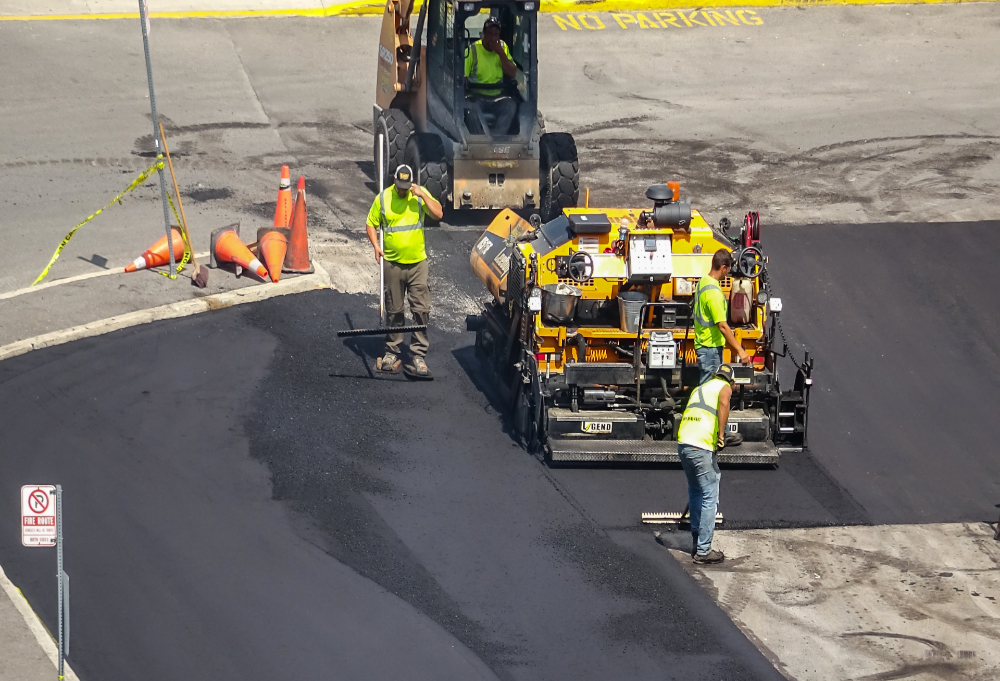
When it comes to commercial paving decisions, business owners in Cadiz, KY face a choice that will affect their property for decades. Whether you are planning a new parking lot, a loading zone, or an access road, the material you choose matters more than most people realize. Asphalt and concrete each bring distinct advantages to the table, and understanding those differences can save you significant time and money over the long run.
1. The Basics: Understanding Asphalt and Concrete
Asphalt and concrete are both durable paving materials, but they are composed and constructed very differently. Asphalt is a flexible pavement made from a mixture of aggregates and bitumen, a petroleum-based binder that holds everything together. It is dark in color, relatively smooth, and designed to flex slightly under pressure rather than crack under load.
Concrete, on the other hand, is a rigid pavement made from cement, water, and aggregates. It is harder, lighter in color, and holds its shape firmly under weight. Because it does not flex, concrete relies on its thickness and the strength of the sub-base beneath it to handle heavy loads without fracturing.
For commercial properties in Cadiz, KY, both materials are viable options depending on your specific needs. The decision comes down to factors like budget, climate, traffic volume, and long-term maintenance plans. Understanding each material at a foundational level helps business owners ask better questions when working with commercial paving services.
2. Cost Comparison: Upfront Expenses vs. Long-Term Value
One of the biggest deciding factors for any business owner is cost, and this is where asphalt and concrete diverge significantly. Asphalt is almost always the more affordable option upfront. The materials cost less, installation is faster, and your lot can typically be open for use within a couple of days after the project is completed. For businesses operating on tighter budgets or needing to minimize downtime, this is a meaningful advantage.
Concrete costs considerably more to install. Depending on the size and complexity of the project, you could be looking at anywhere from two to three times the installation cost of asphalt. On top of that, concrete takes longer to cure, which means your business may face more extended disruptions during the construction process.
However, the long-term financial picture is more nuanced. Concrete is known for its durability and can last 30 to 50 years with minimal maintenance in the right conditions. Asphalt typically lasts 20 to 30 years, but it requires more routine upkeep, including seal coating, crack filling, and periodic commercial asphalt stripping and repaving.
When you factor in the cost of maintenance, the total lifetime expense of both materials becomes much closer. For businesses in Cadiz, KY planning to stay in their location for many years, concrete may offer strong long-term value despite the steeper initial investment. For those who need flexibility or expect their property use to change over time, asphalt’s lower entry cost and easier repaving process can be more practical.
3. Climate Performance: How Each Material Holds Up in Kentucky
Kentucky’s climate is an important variable in this conversation. Cadiz, KY experiences hot summers, cold winters, and significant seasonal temperature swings throughout the year. These conditions directly affect how paving materials perform over time.
Asphalt tends to perform well in cold climates because its flexible nature allows it to contract and expand with temperature changes without cracking as readily as concrete. When winter freezes arrive, asphalt absorbs that stress rather than fracturing, which is a real advantage in a state like Kentucky. Asphalt also heats up quickly in winter sunlight, which can help accelerate ice and snow melt on commercial lots.
The downside is that asphalt does not love extreme heat. In the peak of a Kentucky summer, asphalt surfaces can soften slightly under intense heat and heavy vehicle loads. This is especially relevant in commercial settings where delivery trucks or heavy equipment park for extended periods. Proper installation and quality materials from experienced commercial paving services go a long way toward mitigating this issue.
Concrete performs well in heat and does not soften the way asphalt can. However, it is more vulnerable to freeze-thaw cycles over time. When water seeps into small cracks in concrete and freezes, it expands and can cause serious structural damage. Additionally, the deicing salts commonly used on commercial properties in winter are harder on concrete than on asphalt, potentially accelerating surface deterioration.
For Cadiz, KY specifically, asphalt tends to be the more climate-resilient choice for most commercial applications, though a qualified paving contractor can help you evaluate your specific site conditions.
4. Maintenance, Repairs, and Commercial Asphalt Stripping
Maintenance is where asphalt and concrete show their most practical differences for commercial property owners. Asphalt requires regular attention, but the good news is that most repairs are straightforward and relatively inexpensive. Seal coating every few years protects the surface from oxidation and moisture intrusion. Crack filling prevents minor damage from spreading. When a section of the lot wears out, commercial asphalt stripping allows contractors to remove the old surface layer and replace it without tearing out the entire pavement structure.
Commercial asphalt stripping is a cost-effective way to renew a commercial lot that has started showing significant wear. The process involves milling off the top layer of deteriorated asphalt and installing a fresh surface course. This approach extends the overall life of the pavement system while keeping costs lower than a full reconstruction. Businesses in Cadiz, KY that rely on busy parking lots or high-traffic drive areas particularly benefit from having this option available.
Concrete repairs, by contrast, are more complex and more expensive. Concrete cannot be patched as invisibly or as easily as asphalt. When a concrete slab develops significant cracking or spalling, repairs often involve removing and replacing entire sections, which can be disruptive and costly. This is one reason many commercial property owners opt for asphalt even when they appreciate concrete’s durability, the maintenance flexibility simply makes daily operations easier to manage.
That said, concrete’s lower maintenance frequency is a genuine benefit. If you are running a facility where you prefer to minimize pavement upkeep over a 30 to 40-year span, concrete can reduce the number of service calls you need from commercial paving services throughout that time.
5. Aesthetics, Functionality, and Making the Right Choice for Your Business
Beyond cost and performance, aesthetics and functionality also play a role in the asphalt versus concrete debate. Concrete’s lighter color gives commercial properties a clean, polished appearance that some business owners prefer, particularly for storefronts and customer-facing parking areas. It also reflects more light, which can be an advantage in areas where visibility and safety are priorities.
Asphalt provides a professional, tidy appearance as well, and its dark surface makes painted lines for parking spaces, fire lanes, and directional arrows stand out sharply. Regular seal coating keeps asphalt looking fresh and well maintained, which matters for any business in Cadiz, KY that wants to present a professional image to customers and clients.
In terms of functionality, asphalt’s faster installation and quicker return to service make it a practical choice for commercial properties that cannot afford lengthy construction timelines. Concrete’s rigidity makes it ideal for areas bearing very heavy, concentrated loads such as industrial facilities, waste management sites, or heavy equipment yards.
The right answer ultimately depends on your budget, your business type, your anticipated traffic patterns, and your maintenance preferences. Consulting with a reputable provider of commercial paving services in the Cadiz, KY area gives you the site-specific insight you need to make a confident, well-informed decision.
Conclusion
Both asphalt and concrete have real merit for commercial applications. Asphalt offers lower upfront costs, climate flexibility, and the practical benefit of commercial asphalt stripping for surface renewal. Concrete delivers long-term durability and reduced maintenance frequency. For most business owners in Cadiz, KY, working with trusted commercial paving services to assess your unique property needs is the smartest path forward.
Need Asphalt Paving & Seal Coating Near You?
At Asphalt 24/7, we take pride in being a family owned and operated company that delivers reliable paving and striping services for both residential and large scale commercial, industrial, and municipal properties. Our experienced team works efficiently to restore the appearance and function of your surfaces with quality materials designed for durability and long term performance. Whether you need fresh paving for your home or a larger project that demands professional precision, we focus on improving the value and lifespan of your property through dependable workmanship. Contact us today to learn how our team can help bring new life to your property.